Table of Contents
Key Takeaways
- You only need seven essential makeup brushes to complete any look: foundation, concealer, powder, blush, eyeshadow blending, angled liner, and a fluffy all-over powder brush
- Synthetic bristles are better for cream and liquid products; natural bristles work best for powder products
- Clean your brushes every seven to ten days to prevent bacteria buildup, breakouts, and product buildup that affects application
- Replace foundation brushes every three to six months and eye brushes every six to twelve months depending on usage and care
- The shape of the brush determines its function — flat brushes deposit product, fluffy brushes blend, and angled brushes define
Walking through the makeup brush aisle at any beauty store can be overwhelming. There are dozens of brushes in every imaginable shape and size — flat brushes, angled brushes, fluffy brushes, tapered brushes, fan brushes, and more. It is easy to think you need a different brush for every single product and end up spending hundreds of dollars on tools you barely use.
The truth is that you can complete almost any makeup look with just seven well-chosen brushes. This guide covers exactly which brushes you need, what they do, how to clean and maintain them, and when to replace them. Investing in the right seven brushes will improve your makeup application more than owning thirty mediocre ones.
The Seven Essential Brushes
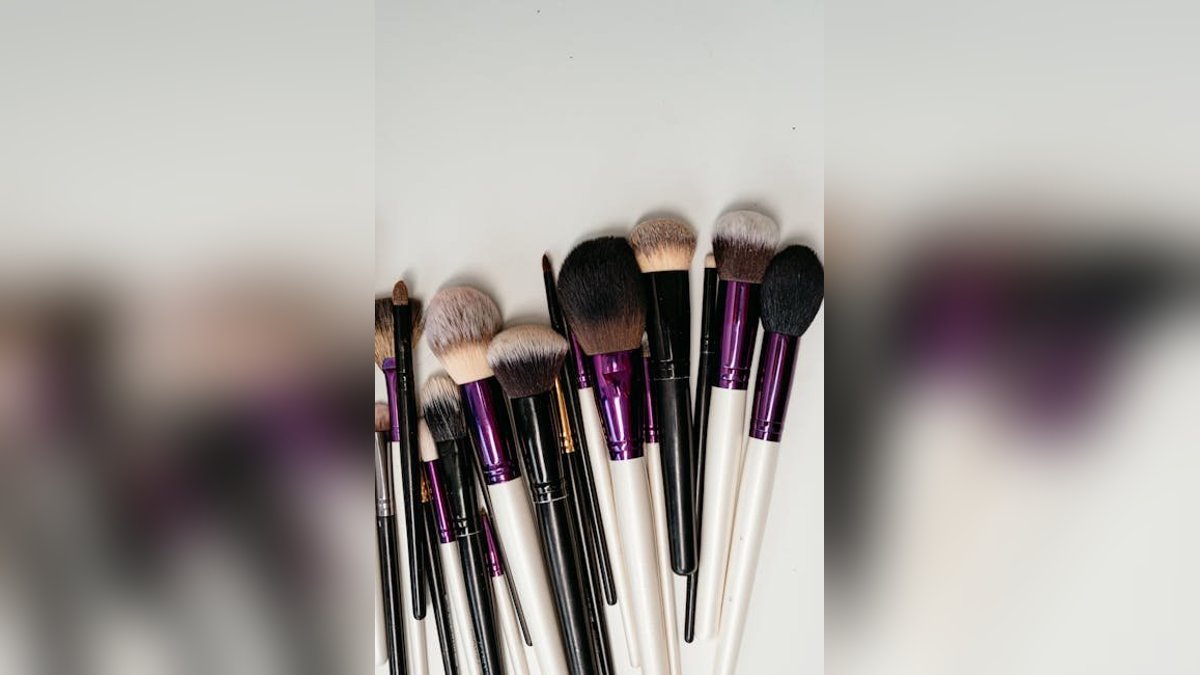
A flat foundation brush or a stippling brush is used for applying liquid and cream foundation. Stippling brushes have dual-length bristles that deposit product evenly without streaking. Use a buffing motion in small circles for an airbrushed finish. A concealer brush is a small, flat, firm brush designed for precise application around the eyes and on blemishes. The firm bristles allow you to target small areas without disturbing the surrounding makeup.
A fluffy powder brush is large and dome-shaped, designed to dust translucent powder or bronzer over large areas of the face. The loose bristles pick up a small amount of product and distribute it evenly for a light, natural finish. An angled contour brush has firm, densely packed bristles cut at an angle. It is used for applying contour powder or cream along the hollows of the cheeks, jawline, and temples with precision.
A blush brush is medium-sized with soft, rounded bristles that pick up just enough product for the cheeks. Some people prefer an angled blush brush for more control, while others like a rounded one for softer application. A fluffy eyeshadow blending brush is the single most important eye brush. Its loose, dome-shaped bristles diffuse eyeshadow edges for seamless blends. Finally, an angled eyeliner brush has very short, firm bristles cut at a sharp angle. It is used with gel or cream eyeliner to create precise lines and defined brows.
"The biggest mistake people make with makeup brushes is using the wrong brush for the product. A dense, flat brush is designed to deposit product. A fluffy, dome-shaped brush is designed to blend. Using a blending brush to apply foundation will give you a streaky, uneven result because the brush is not designed for that purpose. Match the brush shape to the task."
Natural vs Synthetic Bristles
Understanding the difference between natural and synthetic bristles helps you choose the right brush for each product and saves you from buying the wrong tools.
Natural bristles are made from animal hair, typically goat, squirrel, pony, or badger. They have microscopic cuticles that grip powder particles, making them excellent for powder products like eyeshadow, blush, and setting powder. Natural bristles pick up and distribute powder more evenly than synthetics. However, natural brushes are more expensive, require more careful cleaning, and are not suitable for cream or liquid products because the porous bristles absorb the product and become clogged.
Synthetic bristles are made from taklon, nylon, or other man-made fibers. They are completely smooth and non-porous, which means they do not absorb liquid or cream products. This makes them ideal for foundation, concealer, cream blush, and lip products. Synthetic brushes are generally less expensive, easier to clean, and cruelty-free. They dry faster than natural brushes and maintain their shape longer. For everyday use, a mix of both types is ideal — synthetic for creams and liquids, natural for powders.
Brush Cleaning Schedule and Techniques
Dirty brushes are one of the most overlooked causes of breakouts and poor makeup application. Product buildup on brushes changes the way makeup applies, causing streaking, patchiness, and uneven color. Bacteria growing on dirty brushes can cause acne and skin irritation.
Clean your foundation, concealer, and cream product brushes every seven days. These brushes come into contact with liquid and cream products that create a breeding ground for bacteria. Powder brushes can go ten to fourteen days between cleanings because powder products are dry and less hospitable to bacteria. Eye brushes should be cleaned every seven to ten days, especially if you use them with multiple eyeshadow colors.
To clean brushes properly, wet the bristles with lukewarm water — never hot water, which damages the glue inside the ferrule. Apply a small amount of gentle brush cleaner or mild soap to your palm and swirl the brush in your palm until the product runs clear. Rinse thoroughly, squeeze out excess water gently with your fingers, and reshape the bristles. Lay brushes flat on a clean towel to dry — never upright, which allows water to seep into the ferrule and loosen the bristles.
For a quick daily clean between deep washes, use a brush cleaning spray. Spray the bristles and wipe them on a clean microfiber cloth until no color transfers. This removes surface product and keeps your brushes performing well between deep cleanings.
Brush Shapes and Their Functions
The shape of a makeup brush is not just aesthetic — it determines exactly how the brush applies product. Understanding brush shapes helps you pick the right tool for every step of your routine.
Flat brushes have bristles cut straight across in a flat, paddle-like shape. They are designed for picking up product and depositing it in a concentrated area, not for blending. Use flat brushes for applying cream foundation, concealer, or eyeshadow base. Angled brushes have bristles cut at a slant, which allows the brush to fit into contours of the face like the hollows of the cheeks and the crease of the eye. Angled brushes provide more control than straight-cut brushes and are ideal for contour, blush, and gel eyeliner.
Dome-shaped brushes have rounded, fluffy bristles that are designed for blending and diffusing product. The dome shape allows the brush to move product in circular motions without leaving harsh lines. Use dome brushes for powder, blush, and bronzer. Tapered brushes come to a point at the tip and are designed for precision highlighting on small areas like the inner corner of the eye, the cupid’s bow, and the tip of the nose. Fan brushes are wide and thin with loosely spaced bristles. They apply product in a very light, diffused layer and are used for subtle highlight or sweeping away eyeshadow fallout.
When to Replace Your Makeup Brushes
Makeup brushes do not last forever. Even with proper cleaning, the bristles eventually wear down, lose their shape, and become less effective at applying product. Continuing to use worn-out brushes leads to frustrating application and poor results.
Foundation and concealer brushes used with cream and liquid products typically need replacement every three to six months. The constant exposure to moisture and frequent cleaning break down the bristles and the glue inside the ferrule. Signs of wear include bristles that are splaying out of shape, shedding during use, or feeling rough and scratchy on the skin.
Powder brushes and eyeshadow brushes last longer — six to twelve months with proper care — because they are used with dry products and do not need cleaning as frequently. Replace them when the bristles lose their softness, the brush no longer picks up product evenly, or you notice the ferrule separating from the handle. Eye brushes used daily for cream eyeshadow or gel liner may need replacement sooner.
A good rule of thumb is to inspect your brushes every three months. If a brush no longer applies product the way it did when new, it is time to replace it. Investing in quality brushes and replacing them on schedule ensures consistent makeup application and protects your skin from bacteria buildup.