Table of Contents
Key Takeaways
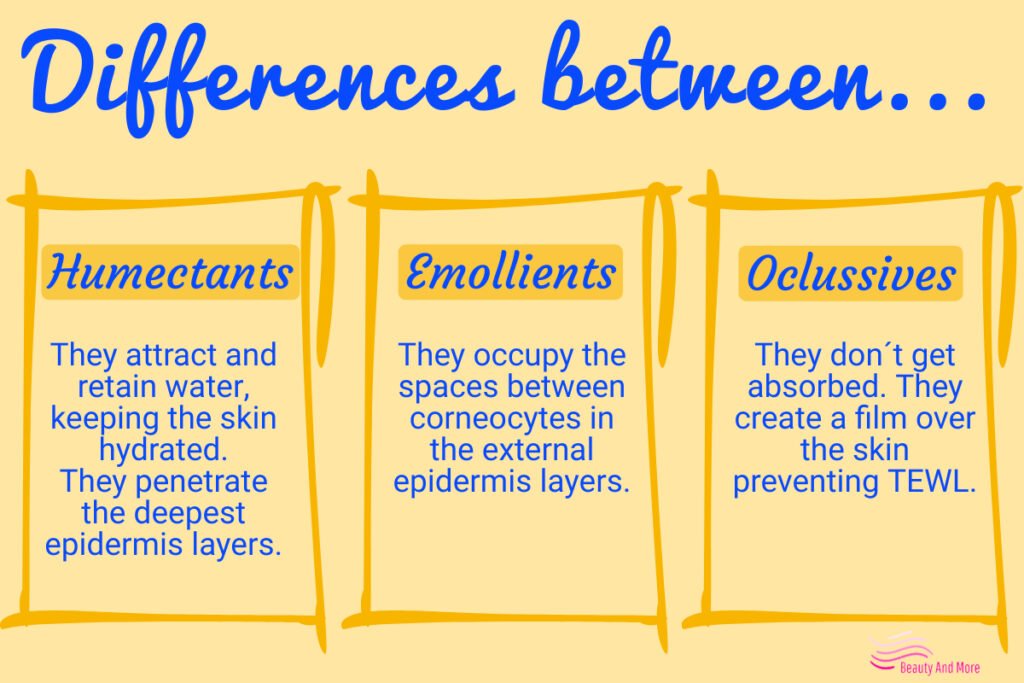
- Humectants pull water into the skin — found in ingredients like hyaluronic acid, glycerin, and aloe vera
- Emollients smooth and soften the skin surface — found in ceramides, squalane, and fatty acids
- Occlusives create a physical barrier that locks moisture in — found in petroleum jelly, shea butter, and dimethicone
- Most moisturizers combine two or three types; understanding the ratio helps you choose the right product
- Oily skin needs humectant-heavy formulas; dry skin benefits from richer emollient and occlusive blends
Moisturizer is the most universal step in any skincare routine. Nearly everyone uses one, yet few people understand what their moisturizer actually does or how to tell if it is the right formula for their skin. The truth is that not all moisturizers work the same way, and choosing the wrong type can leave you under-hydrated, greasy, or even breaking out.
Every moisturizer on the market is built from three categories of ingredients: humectants, emollients, and occlusives. Each category plays a distinct role in maintaining skin hydration, and most moisturizers combine them in different ratios. Once you understand these three categories, you can read any ingredient list and know exactly what that product will do for your skin.
Humectants: The Water Attractors
Humectants are ingredients that draw water into the outermost layer of the skin. They work by osmosis — their molecular structure attracts and binds water molecules from the environment and from deeper layers of the skin. When applied to damp skin, humectants can hold many times their weight in water, creating an immediate plumping and hydrating effect.
The most common humectants in skincare are hyaluronic acid, glycerin, aloe vera, panthenol (vitamin B5), and sodium PCA. Hyaluronic acid is particularly notable because it can hold up to 1,000 times its weight in water. These ingredients are ideal for dehydrated skin, fine lines caused by dryness, and anyone living in humid climates where there is environmental moisture to draw from. For more on layering humectants with other products, see our guide to the correct order for applying skincare products.
"Humectants are the most misunderstood category in moisturizing. People assume that applying hyaluronic acid alone is enough to hydrate the skin, but in dry climates it can actually pull water from deeper skin layers to the surface, where it evaporates. This is why humectants must always be followed by an emollient or occlusive to seal the moisture in."
Emollients: The Skin Smoothers
Emollients are ingredients that soften and smooth the skin surface by filling in the gaps between skin cells. Think of your skin barrier as a brick wall — skin cells are the bricks, and emollients are the mortar that fills the spaces between them. When the mortar is intact, the wall is smooth, flexible, and well-protected. When it is depleted, the skin feels rough, flaky, and tight.
Common emollients include ceramides, squalane, fatty acids (linoleic acid, oleic acid), shea butter, and plant oils like jojoba and argan oil. Ceramides are particularly important — they make up about 50 percent of the skin barrier's lipid content and are essential for maintaining barrier integrity. Emollients benefit all skin types but are especially crucial for dry, mature, and compromised skin barriers. For more on how moisturizers interact with other products, read the differences between morning and evening skincare routines.
Occlusives: The Sealers
Occlusives create a physical barrier on top of the skin that prevents water loss. They work by forming a thin, water-resistant film that locks moisture in and keeps environmental irritants out. Without an occlusive layer, the water that humectants pull into your skin would simply evaporate into the air — a process called transepidermal water loss.
The most effective occlusives are petroleum jelly, dimethicone, lanolin, mineral oil, and waxes like beeswax. Shea butter and cocoa butter function as both emollients and mild occlusives. Occlusives are essential for dry skin, compromised barriers, and overnight routines when you want to maximize hydration. They are less necessary for oily skin, which naturally produces enough sebum to serve as an occlusive layer. Heavy occlusives can feel greasy and may clog pores on already oily skin.
How to Choose the Right Moisturizer for Your Skin Type
Once you understand the three categories, choosing the right moisturizer becomes a matter of identifying which ratio your skin needs. The table below breaks down the ideal moisturizer composition for each skin type.
| Skin Type | Humectants | Emollients | Occlusives | Texture |
|---|---|---|---|---|
| Oily | High | Low | None to low | Gel or water-based |
| Combination | Medium | Medium | Low | Lightweight lotion |
| Dry | Medium | High | Medium to high | Rich cream or balm |
| Sensitive | Medium | High | Medium | Fragrance-free cream |
For oily skin, look for gel-based moisturizers where humectants are listed first in the ingredients and occlusives are minimal or absent. For dry skin, choose cream-based formulas where emollients and occlusives appear prominently. Combination skin benefits from lotion-textured moisturizers that strike a balance between humectants and emollients. Sensitive skin should prioritize formulas with ceramides and minimal preservatives or fragrances. See our cleanser guide for pairing the right cleanser with your moisturizer choice.
Moisturizer Application Tips for Maximum Effectiveness
How you apply your moisturizer matters as much as what is in it. Always apply moisturizer to slightly damp skin. Humectants need water to bind to, and applying them to dry skin means they may pull moisture from deeper layers instead of from the surface. Pat your face dry after cleansing, leaving it slightly damp, then apply your moisturizer immediately.
Use gentle upward strokes rather than pulling or tugging at the skin. The neck and chest should not be forgotten — these areas show signs of aging just as much as the face. If you use multiple products, apply them from thinnest to thickest consistency. A humectant serum goes on first, followed by an emollient lotion, and finally an occlusive cream if needed. This layering technique, known as multi-moisturizing, is especially effective for dry skin and winter routines.
Frequently Asked Questions
Common questions about choosing and using moisturizers
Do I need a separate day and night moisturizer?
Using separate moisturizers is beneficial but not required. Day moisturizers should be lightweight and absorb quickly under sunscreen and makeup. Night moisturizers can be richer and contain reparative ingredients like ceramides, peptides, or bakuchiol. If you prefer one moisturizer, choose a medium-weight formula with both humectants and emollients and adjust the amount you apply.
Can I skip moisturizer if my skin is oily?
No. Oily skin still needs hydration. When you skip moisturizer, your skin can become dehydrated, which triggers compensatory oil production — making the oiliness worse. Choose a lightweight, oil-free, gel-based moisturizer with humectants like hyaluronic acid or glycerin. These provide hydration without adding heaviness or clogging pores.
How do I know which moisturizer ingredient category my skin needs most?
If your skin feels tight, flaky, or rough, you need humectants to draw water into the skin and emollients to smooth the surface. If your skin feels hydrated but loses moisture quickly throughout the day, you need occlusives to seal the moisture in. If your skin feels balanced but you want to maintain hydration, a formula with mainly humectants and emollients is sufficient.
Should I apply moisturizer to damp or dry skin?
Apply moisturizer to damp skin for maximum effectiveness. Humectants like hyaluronic acid and glycerin work by drawing water into the skin — applying them to damp skin gives them water to pull from. If you apply moisturizer to completely dry skin, humectants may pull moisture from deeper skin layers instead, which is counterproductive. Pat your face dry, then apply while still slightly damp.
Can I layer multiple moisturizers or combine different types?
Yes, layering moisturizers is an effective strategy, especially for dry or dehydrated skin. Start with a humectant-rich serum or gel (hyaluronic acid), follow with an emollient lotion, and seal with an occlusive cream if needed. This approach, sometimes called multi-moisturizing, allows you to customize hydration levels for different areas of your face.
Related Articles
Your Next Step
Check the ingredient list of your current moisturizer and identify whether it is humectant-heavy, emollient-heavy, or occlusive-heavy. If your skin still feels tight or dehydrated, add a humectant serum before your moisturizer. If your skin loses moisture during the day, look for a moisturizer with more occlusive ingredients for your final layer.
Once you have the right moisturizer, learn the correct order to layer all your skincare products and explore how your cleanser choice affects your skin's hydration needs.